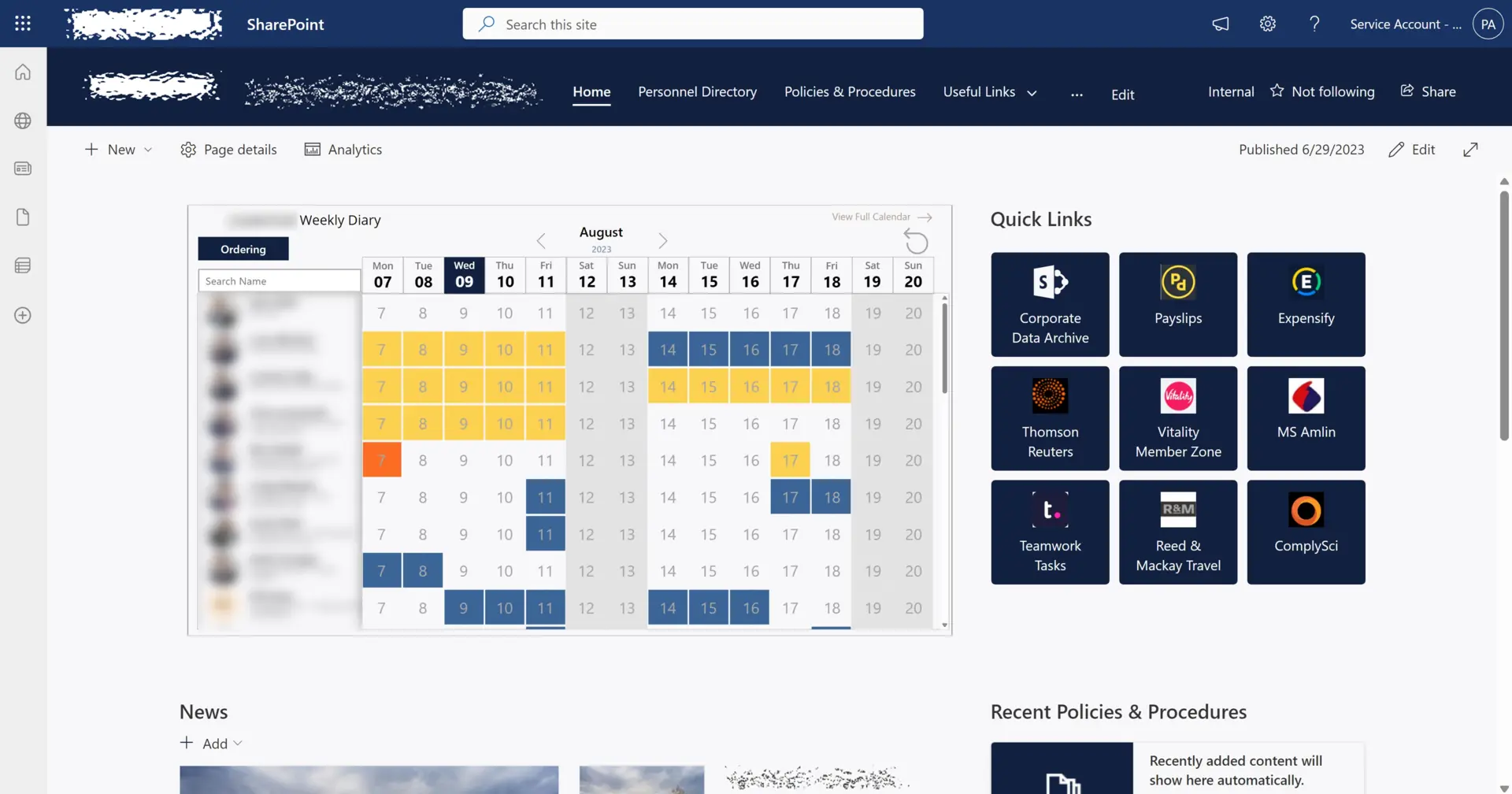
You can date a neglected SharePoint estate by its symptoms: search that returns everything except the document you need, several versions of the same policy in different libraries, an intranet homepage last updated by someone who has since left. This page is about fixing exactly that, intranets and document management people can actually find things in. The sprawling, unloved SharePoint people remember was a failure of design and governance, not of the platform; the modern product is fast, mobile, woven into Teams, and the foundation Copilot reads from. The question is not whether SharePoint can be good; it is whether yours is.
Our intranet builds start from an unfashionable premise: nobody comes to an intranet to read news. They come to find the expenses policy, book leave, and locate the one document that unblocks their afternoon. So we design the information architecture around tasks and search, give every page an owner and an expiry date, and measure engagement afterwards instead of assuming it. Launches come with a proper adoption plan, because an intranet nobody was introduced to is an intranet nobody visits twice.
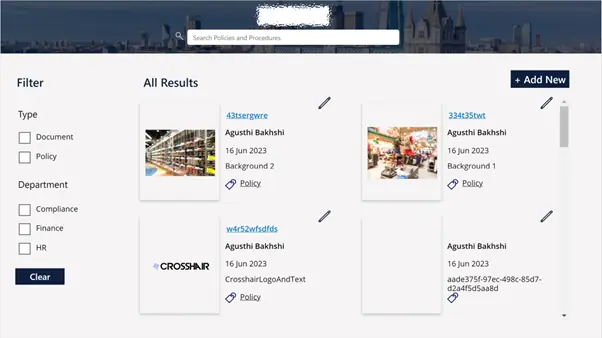
Document management gets the same discipline: libraries with real metadata rather than folder archaeology, version control and retention that satisfy compliance, and permissions that make sense to humans. That work now pays twice, because a tidy, well-permissioned SharePoint estate is precisely what makes Microsoft 365 Copilot useful rather than confidently wrong. When you are ready for the rollout itself, that conversation belongs with our Copilot practice.
The proof point we reach for is Skanska: a learning and communication platform on Microsoft 365 that reached roughly 9,000 employees and lifted adoption tenfold. Design and enablement made that difference, and both are in scope on every engagement.
And where the requirement genuinely outgrows configuration, our bespoke practice extends SharePoint with SPFx web parts, Microsoft Graph integrations and Power Platform automation, all inside your tenancy and supportable by any competent Microsoft engineer.