

As organisations embrace digital transformation, the adoption of low-code platforms like Microsoft Power Platform has surged, enabling teams to streamline processes, automate workflows, and innovate faster. However, to utilise the full potential of this platform while maintaining governance and scalability, the need for a Power Platform Centre of Excellence (CoE) becomes critical. A CoE is more than just a support team—it is the strategic backbone that ensures consistency, promotes innovation, and encourages a culture of continuous improvement.
A Power Platform Centre of Excellence serves as the hub of expertise and leadership, offering strategic guidance, promoting innovation, and ensuring the effective governance of Power Apps, Power Automate, Power BI, and Copilot Studio.
As AI and Copilot capabilities become embedded across Power Apps, Power Automate, Power BI, and Copilot Studio, the role of a CoE has evolved to include AI governance, prompt management, and ethical usage oversight, ensuring responsible innovation.
In this blog, we’ll explore the key practices for establishing a successful Power Platform CoE within your organisation.
Define Your Vision and Objectives
Before setting up a CoE, it’s crucial to define a clear vision and set of objectives for your Power Platform initiative. What goals do you want to achieve? These could range from driving citizen development and aiding non-technical users to build apps to ensuring compliance with organisational standards. Establishing well-defined KPIs will help track success and provide direction for your CoE’s activities.
Include governance around AI use, defining how Copilot can be used in app-building, automation creation, and data analysis to maintain compliance and quality.
Best Practice: Involve key stakeholders from various departments to align the CoE’s goals with broader organisational priorities.
Build a Cross-Functional Team
A successful Power Platform CoE is built on collaboration. The CoE team should consist of cross-functional members, including IT, business analysts, developers, and Power Platform champions from different departments. This diverse team brings unique perspectives and ensures the platform’s adoption aligns with both the business and technical needs.
Managed Environments simplify CoE oversight by providing built-in analytics, sharing controls, and solution monitoring directly through the Power Platform Admin Center.
Best Practice: Identify Power Platform champions across the organisation who can advocate for the platform’s capabilities, train colleagues, and provide support.
Establish Governance and Security Policies
One of the primary functions of a Power Platform CoE is to ensure governance and security. As citizen development grows, it’s vital to maintain a balance between empowering users and maintaining control over data security and compliance. The CoE should create policies for app development, data access, and usage that ensure governance without stifling innovation. The following updates can help in more ways:
- Managed Environments for improved control and reporting
- Environment Routing and Sharing Controls
- Integration with Microsoft Purview for data classification and compliance tracking
- AI policy management for Copilot usage
Best Practice: Implement role-based access control, establish guidelines for data usage, and regularly audit apps and workflows for compliance.
Create a Knowledge Repository
A CoE should be a hub of knowledge. Establishing a centralised repository of best practices, guidelines, training resources, and reusable components will help users across the organisation make the most of the Power Platform. This repository should also include templates, code snippets, and workflows that can be easily reused. Using SharePoint or Viva Topics for knowledge management and integrating Copilot in Microsoft Teams to help users find resources conversationally.
Best Practice: Regularly update the repository with the latest resources and encourage users to share their innovations and learnings.
Encourage Continuous Learning and Innovation
Technology is constantly evolving, and so is the Power Platform. To stay ahead, your CoE should encourage a culture of continuous learning. Update to encourage CoE-led “Copilot Labs” or AI learning initiatives to help employees explore and safely implement Copilot tools. Encourage innovation by hosting hackathons or innovation days, where users can showcase their apps and solutions.
Best Practice: Set up a mentorship program where experienced Power Platform users can guide and support new adopters.
Monitor Performance and Adoption
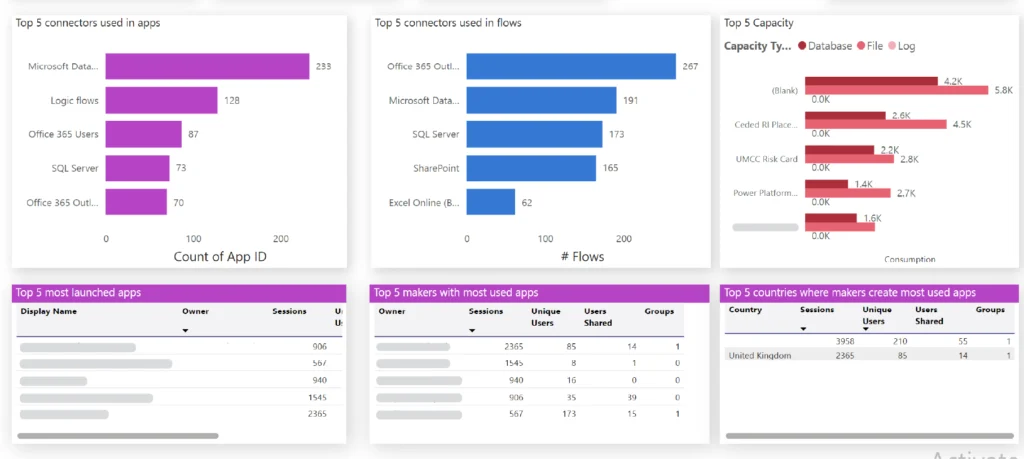
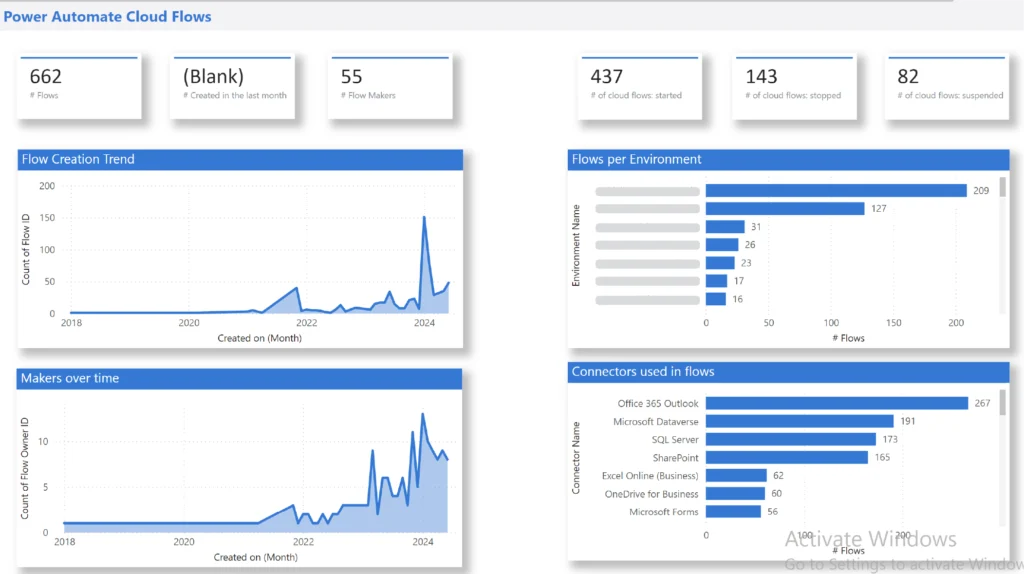
A CoE should track the adoption and performance of Power Platform solutions across the organisation. Use Power BI to create dashboards that monitor usage metrics, app performance, and business impact. These insights will help the CoE refine its strategies, identify areas for improvement, and promote successful use cases. CoEs should use Admin Center analytics for real-time insights and custom dashboards in Power BI or Fabric for deeper tenant-level performance monitoring.
Best Practice: Share performance metrics and success stories with the wider organisation to inspire further adoption and innovation.
Promote a Culture of Citizen Development
Enabling non-developers to build apps and automate processes is one of the key goals of the Power Platform. The CoE should actively promote a culture of citizen development by encouraging employees to learn and use Power Apps and Power Automate to solve business challenges. The more users feel confident using the platform, the more value they will bring to the organisation.
The CoE should also enable “Fusion Teams”, cross-functional groups combining business and IT skills to co-create scalable Power Platform solutions while maintaining governance standards.
Best Practice: Provide low-code training and showcase how even non-technical users can build impactful solutions with minimal coding.
Why use Synapx to set up your Centre of Excellence?
Setting up a Power Platform Centre of Excellence isn’t a one-size-fits-all process. While Microsoft’s CoE Starter Kit provides valuable tools and templates, the actual CoE architecture needs to be customised to align with your organisation’s unique needs and long-term goals.
Our goal is to unlock the full potential of the Power Platform by optimising your Centre of Excellence setup. Our experts take it a step further by creating custom-made dashboards that provide real-time insights and enable efficient monitoring of your Power Platform environment. For example, our License Review Dashboard helps you track license usage, manage costs, and monitor the overall health of your tenant. This ensures that your organisation stays compliant, optimises resource allocation, and gains greater visibility into platform usage.
Synapx’s CoE services now extend to Copilot governance, Fabric analytics integration, and Power Platform Admin Center automation for complete visibility and control.
Not only do we help efficiently integrate the CoE with your current systems and workflows, but we also provide ongoing support and training.
Establishing a Power Platform Centre of Excellence is key to driving innovation, improving productivity, and maintaining governance. By following these best practices and partnering with experts who offer tailored solutions such as custom dashboards, you can take your CoE to the next level, ensuring optimal performance, strategic alignment, and sustainable growth.
As Power Platform continues to evolve with deeper Copilot and Fabric integration, establishing a future-ready CoE is key to maintaining secure, scalable, and AI-driven innovation.
Synapx’s Microsoft Power Platform Centre of Excellence (CoE) Security and License Review, is now available on Microsoft AppSource. Contact us today to learn more about how we can implement the Centre of Excellence at your organisation. We can fully customise the solution to your needs and requirements.