

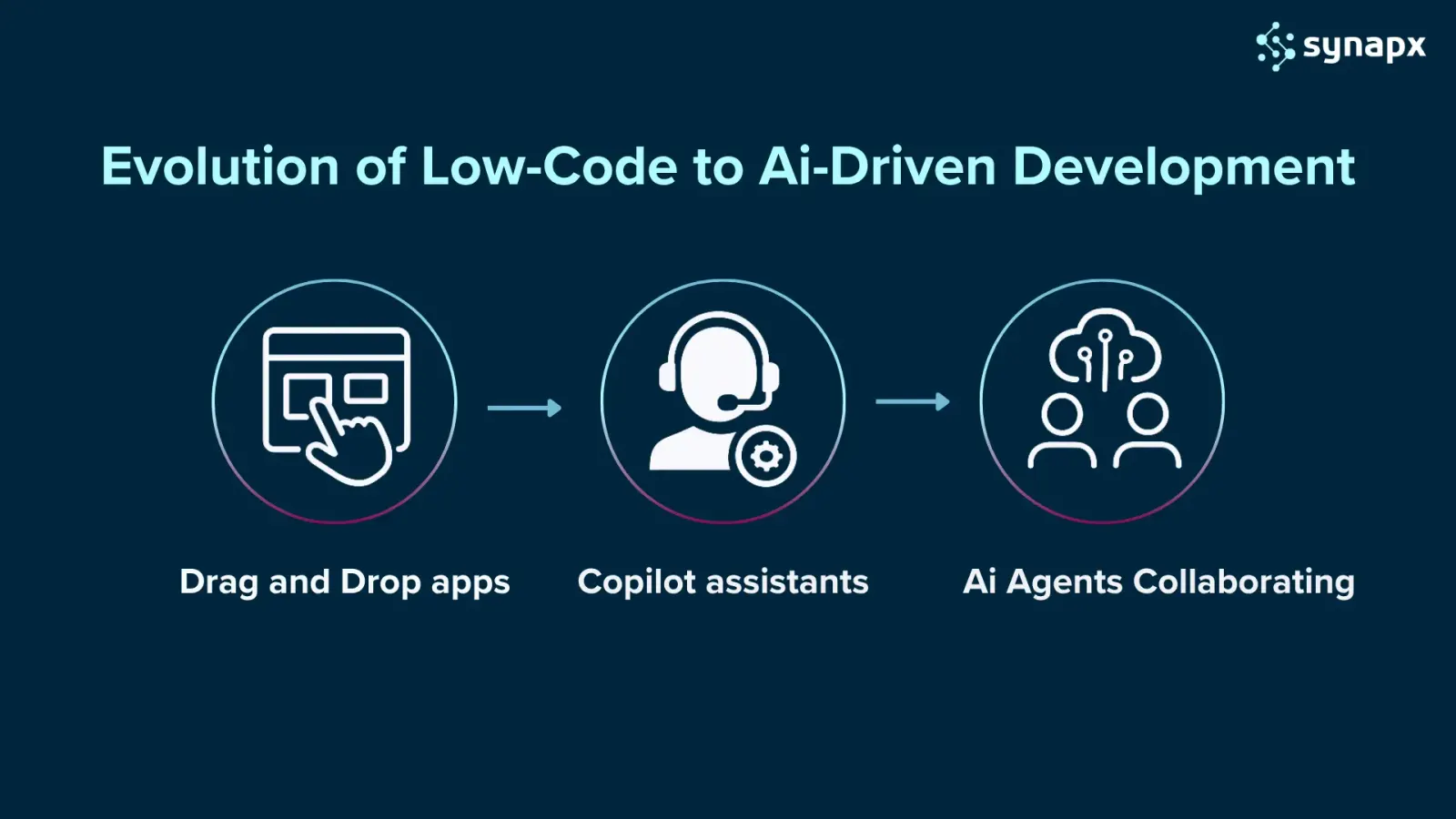
AI is changing how businesses build and improve software.
What once took weeks of planning, development, and testing can now start much faster. Teams can move from an idea to a working solution in far less time than before. That shift is changing expectations across every part of a business. Internal teams want tools faster, IT backlogs are growing, and businesses are under pressure to do more with fewer resources.
This is exactly why low-code matters more than ever.
There is a common assumption that AI will replace low-code platforms or make them less important. In reality, the opposite is happening. AI is making low-code more powerful by removing some of the friction that used to slow projects down.
For businesses already using Microsoft tools, this shift is especially important.
With Microsoft Power Platform, AI is already built into the tools teams use every day. That means businesses can start using AI in practical ways without changing everything they already have in place.
The real opportunity in 2026 is not simply using AI. It is using AI to remove friction, speed up delivery, and improve how work gets done.
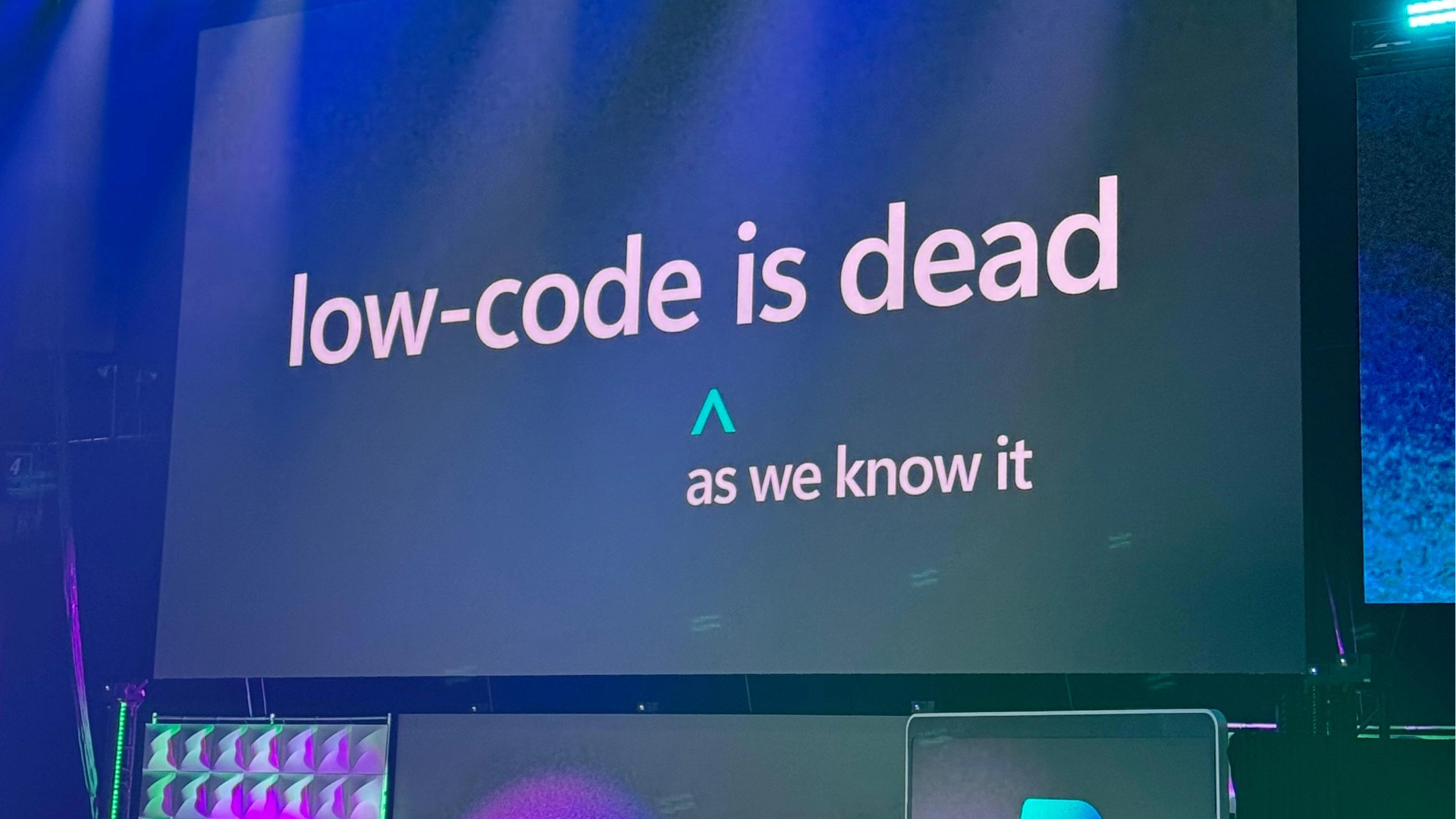
Why Low-Code Is Becoming More Valuable in the AI Era?
Low-code has always helped businesses move faster.
It gave teams a way to build apps, automate workflows, and improve processes without relying entirely on traditional development teams. That helped reduce delivery times and made it easier to solve day-to-day operational problems.
But low-code still had limits.
More complex solutions often needed technical support. Teams still had to spend time building logic, setting up workflows, testing user journeys, and managing changes.
This is where AI is making the biggest difference.
Instead of starting from scratch, teams can now describe what they need in plain language and get a faster starting point. AI can help suggest app layouts, generate workflows, summarise data, and support repetitive tasks that used to take much longer.
This does not replace the need for planning or governance. But it does make it easier to move from an idea to something usable.
For businesses trying to reduce bottlenecks, that matters.
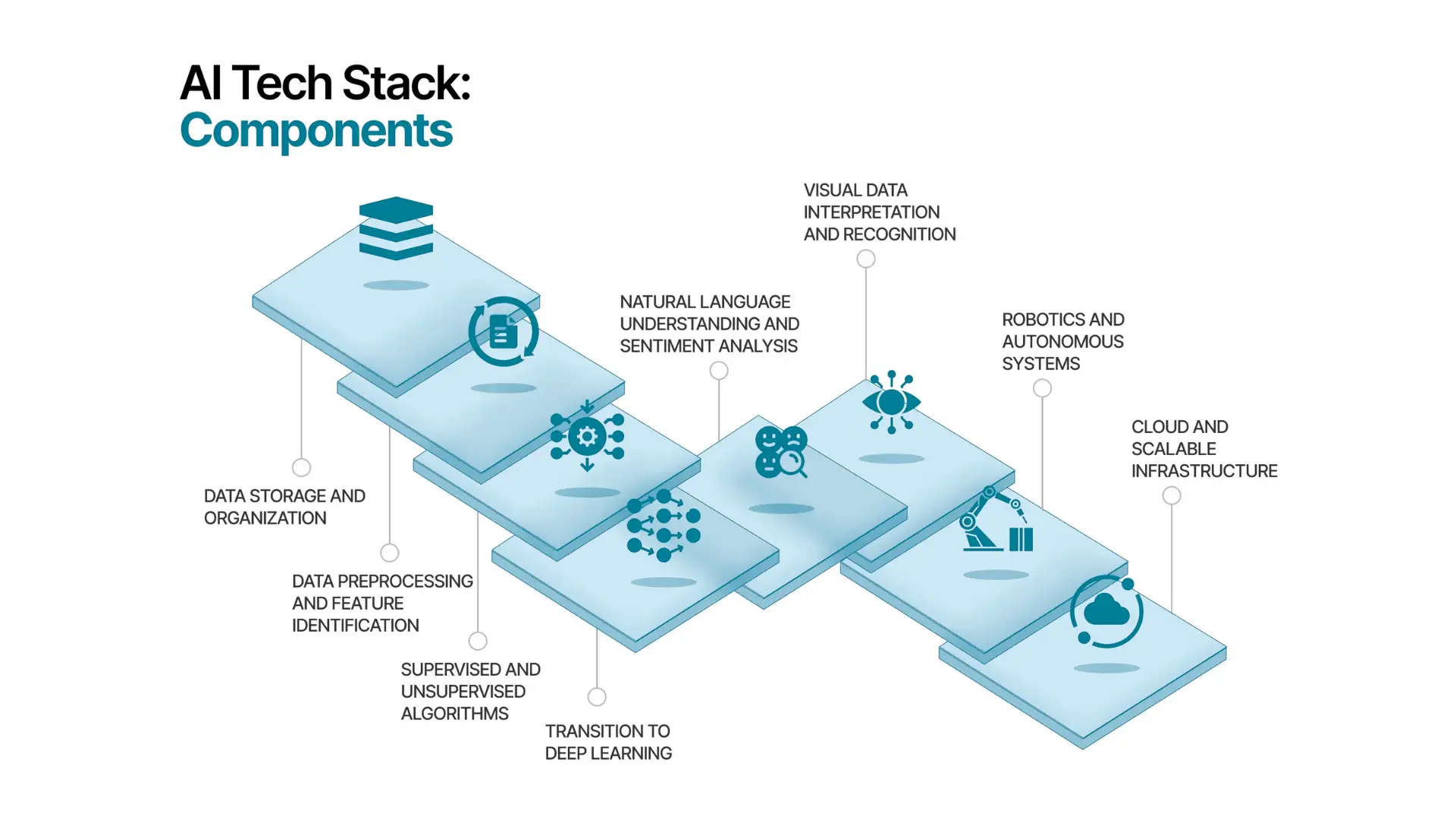
How AI Is Improving Microsoft Power Platform?
The biggest shift is not that AI exists. It is that AI is now built directly into tools businesses already use.
For organisations using Microsoft Power Platform, this makes it easier to build faster without creating more complexity.
Smarter app building with Microsoft Power Apps
AI is making app development much easier to get started with.
Teams can use natural language to describe the type of app they want, generate layouts more quickly, and speed up early prototypes.
For businesses, this means internal tools that once took months to plan and build can now move much faster. This is especially useful for operational teams that need simple apps for approvals, reporting, inspections, or service requests.
Faster automation with Microsoft Power Automate
AI is also making workflow automation easier.
Instead of building every step manually, users can create flows using simple prompts and suggestions. That makes it easier to automate repetitive tasks like approvals, alerts, follow-ups, and internal handovers.
For many businesses, this removes one of the biggest barriers to automation: time.
Building AI agents with Microsoft Copilot Studio
One of the biggest changes in 2026 is how quickly businesses can now create AI assistants.
With Copilot Studio, teams can build AI agents to support both employees and customers. These agents can answer questions, surface information, support internal processes, and improve access to knowledge.
This is where AI starts to move beyond productivity and into everyday operations.
Why Microsoft Power Platform Matters More Than AI Alone?
AI can make development faster.
But speed without control often creates new problems.
This is why businesses need more than standalone AI tools. While general AI platforms can help with content or basic automation, they often create risks around security, visibility, and long-term support.
This is where Microsoft Power Platform gives businesses an advantage.
It allows AI to sit inside an environment that is already built for business use. That includes the governance, security, and visibility needed to scale properly.
This means businesses can:
- manage permissions
- protect sensitive data
- track changes
- support users properly
In simple terms, AI makes delivery faster. Power Platform makes it safe and practical.
That is what makes the difference between experimentation and long-term value.
What Businesses Should Focus on in 2026?
The businesses seeing the best results are not trying to automate everything at once.
They are starting with the areas where work is already slow, repetitive, or creating pressure for teams.
That might be:
- approvals
- internal reporting
- onboarding
- service requests
- document workflows
By focusing on one clear use case first, businesses can see value quickly and avoid unnecessary complexity.
This also helps teams understand where AI genuinely adds value rather than forcing it into processes that do not need it.
Just as importantly, it makes governance easier.
AI may make low-code more powerful, but businesses still need the right foundations. They still need to think about who can build solutions, how data is accessed, how apps are supported, and how changes are managed.
The goal is not just to move faster.
It is to build in a way that is sustainable.
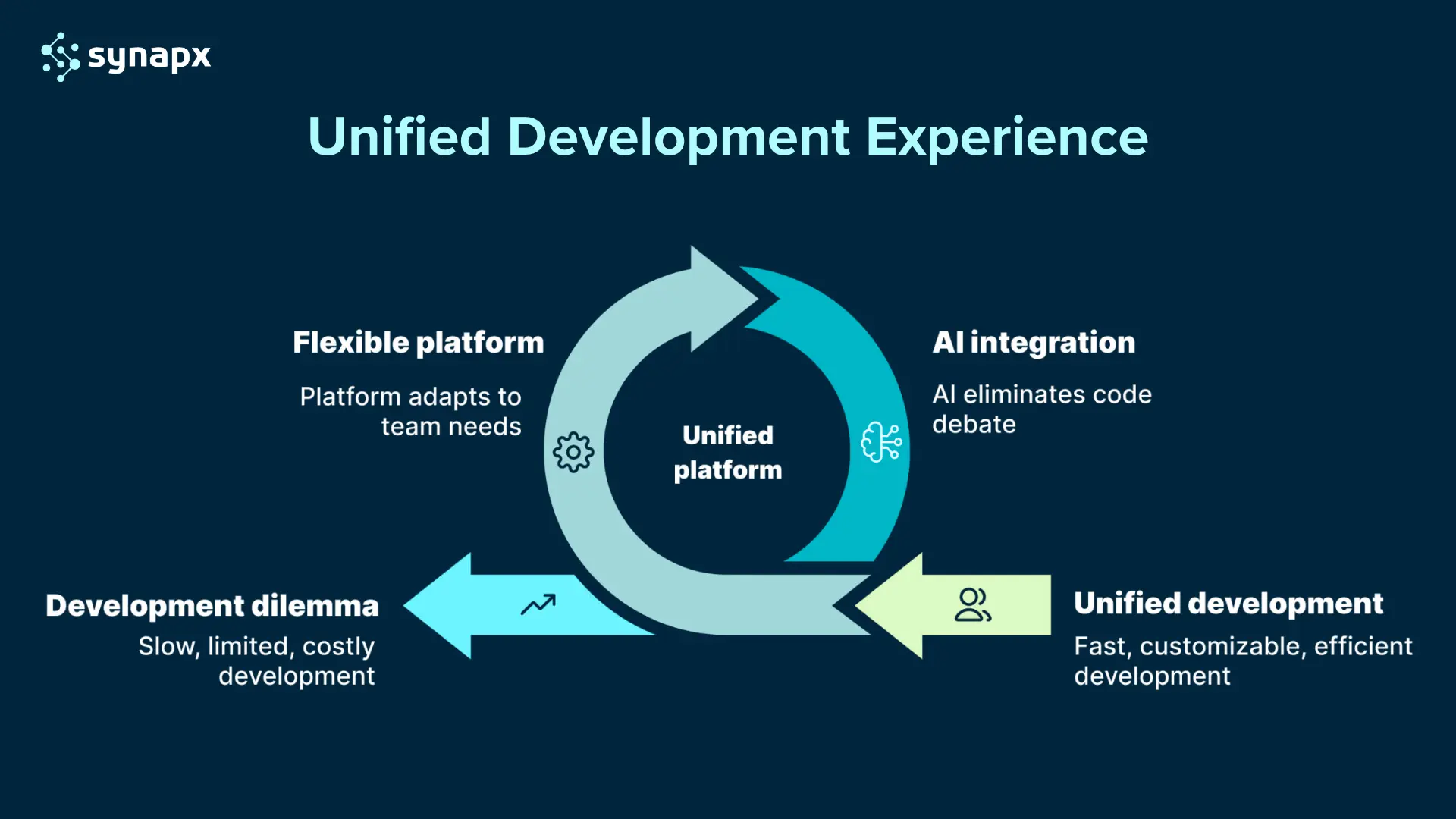
Why This Shift Matters Now?
The gap between businesses that can move quickly and those that cannot is growing.
AI is making it easier to solve problems faster, automate more processes, and reduce manual work. But the businesses that benefit most will not necessarily be the ones using the most AI.
They will be the ones using it well.
For organisations already using Microsoft tools, Microsoft Power Platform gives a practical way to turn AI into something useful.
That could mean reducing delivery backlogs, helping teams work more independently, improving visibility, and creating better internal systems without long delays.
This is no longer about experimenting.
For many businesses, this is now a real opportunity to work smarter.
Final Thoughts
AI is not replacing low-code.
It is making it better.
For businesses under pressure to move faster, improve internal processes, and do more with less, this shift matters.
The real value is not in using AI because it is new.
It is in making work simpler, faster, and easier for teams.
For businesses already using Microsoft tools, Microsoft Power Platform is one of the clearest ways to make that happen.
Used properly, it can help businesses deliver faster now without creating more complexity later.
Ready to Use AI Practically?
AI can create real value, but only when it is used in the right places.
Synapx helps businesses use Microsoft tools to automate processes, reduce delivery bottlenecks, and roll out AI securely.
For teams under pressure to deliver more with less, now is the time to rethink how work gets done.
Let’s talk about how Synapx can help your business embrace the new era of AI-powered development.