
Did you know that by 2026, over 75% of enterprise applications are expected to be built using low-code platforms? The rapid adoption of tools such as Microsoft Power Platform is transforming how businesses build apps, automate processes, and analyse data.
But with this growth comes a new challenge: a lack of governance, solution duplication, and low adoption across teams.
This is where a Power Platform Centre of Excellence (CoE) becomes critical. It helps organisations scale Power Platform in a structured, secure, and efficient way, turning scattered innovation into a strategic advantage.
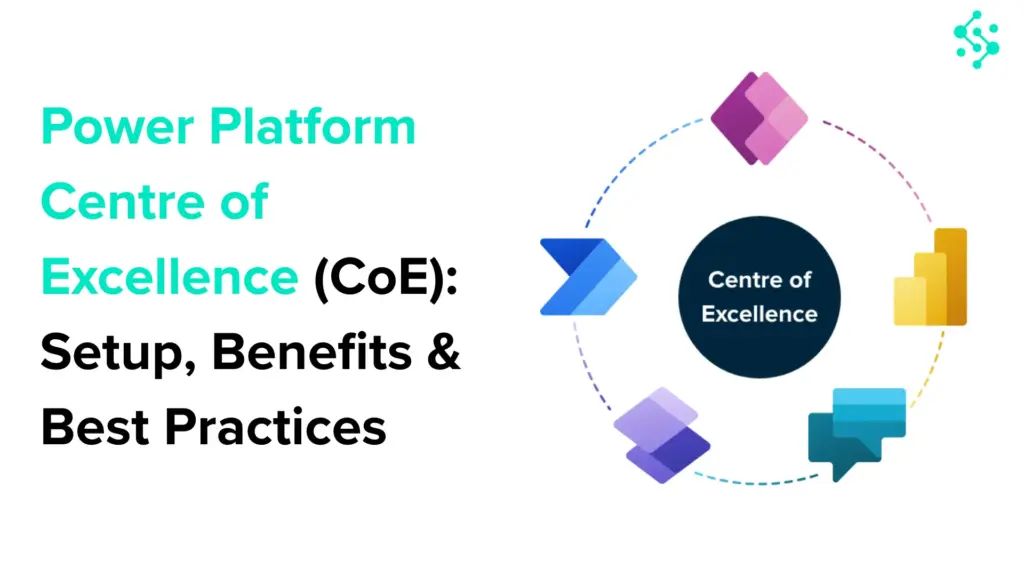
A CoE acts as a central hub, guiding and empowering your organisation to harness the full potential of the Power Platform suite – encompassing Power BI, Power Apps, Power Automate, and Power Virtual Agents. It’s not just about enabling more people to build apps or automate processes; it’s about doing so strategically, securely, and efficiently. Without a CoE, rapid low-code adoption can create a chaotic landscape of unmanaged applications, security risks, and duplicated efforts.
This comprehensive guide will cover the core aspects of establishing and leveraging a Power Platform CoE, including setup, benefits, and best practices to ensure long-term success.
What is a Power Platform Centre of Excellence?
At its heart, a Power Platform Centre of Excellence is a dedicated team, function, or community of practice responsible for providing strategy, guidance, governance, and support for the Power Platform across an organisation. Think of it as the guiding star and the sturdy framework that ensures your Power Platform journey is purposeful and sustainable.
The primary goals of a CoE typically revolve around:
- Accelerating Adoption: Encouraging and facilitating the use of Power Platform tools.
- Ensuring Governance & Compliance: Setting standards, policies, and guardrails to maintain security and data integrity.
- Driving Innovation: Identifying new use cases and opportunities for the Power Platform.
- Fostering a Community: Building a network of Power Platform users and champions.
- Maximising ROI: Ensuring that investments in Power Platform deliver tangible business value.

A well-functioning CoE acts as a bridge between business needs and technological capabilities, empowering users while maintaining control. It’s a crucial component for any organisation serious about leveraging the full power of low-code development.
Setting Up Your Power Platform CoE
Establishing a Power Platform CoE isn’t a one-size-fits-all endeavour. The structure and focus will vary depending on your organisation’s size, industry, and existing maturity with the Power Platform. However, several key components are generally essential for a successful setup. Microsoft itself offers a robust starter kit for building a CoE, which is a fantastic resource for organisations looking to formalise their efforts.
1. Define Your Vision and Goals
Before diving into the technical aspects, clearly articulate why you need a CoE and what you aim to achieve. Are you looking to reduce IT backlog? Improve operational efficiency? Empower citizen developers? Having well-defined, measurable goals will guide your CoE’s strategy and help demonstrate its value.
2. Secure Executive Sponsorship
Like any significant organisational initiative, a Power Platform CoE requires strong backing from leadership. Executive sponsorship ensures that the CoE has the necessary resources, authority, and visibility to succeed. This sponsor will champion the CoE’s mission and help overcome organisational hurdles.
3. Assemble Your Core Team
Identify the individuals who will form the backbone of your CoE. This team typically includes a mix of roles:
- CoE Lead/Manager: Oversees the CoE’s strategy, operations, and team.
- Solution Architects/Developers: Provide technical expertise, best practices, and support for complex solutions.
- Governance Specialists: Focus on security, compliance, data loss prevention (DLP) policies, and environment management.
- Community Managers/Trainers: Drive adoption, organise training sessions, and foster the user community.
- Business Analysts: Help bridge the gap between business requirements and Power Platform solutions.
The size of the core team will depend on your organisation’s scale, but even a small, dedicated group can make a significant impact.
4. Establish Governance Policies and Frameworks
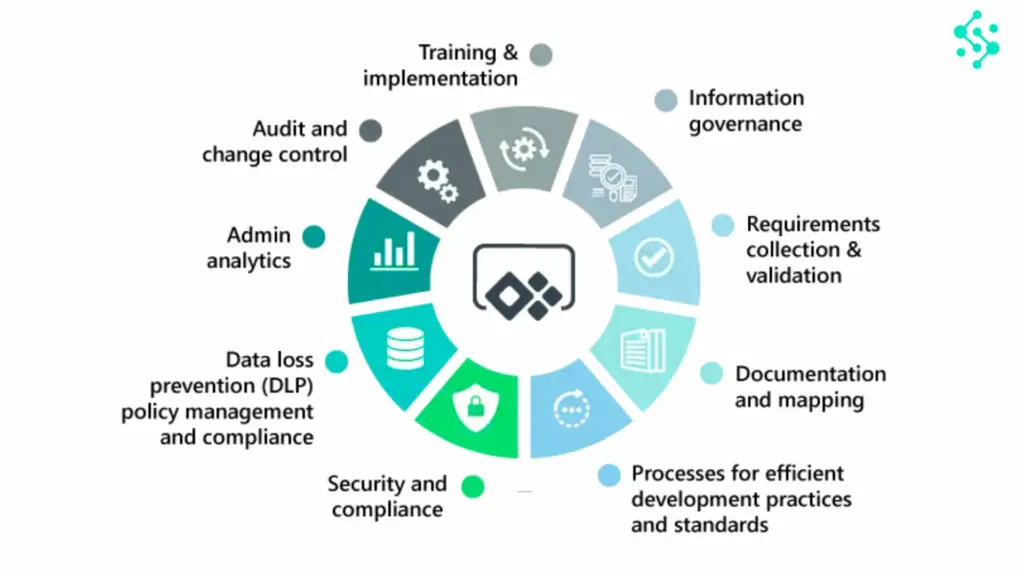
This is arguably the most critical function of a CoE. Robust governance ensures that the Power Platform is used responsibly and securely. Key areas to address include:
- Environment Strategy: Defining how environments will be used (e.g., development, testing, production) and who has access.
- Data Loss Prevention (DLP) Policies: Implementing rules to control which connectors can be used together and prevent sensitive data from leaving the organisation.
- Security Roles and Permissions: Defining who can create apps, flows, and chatbots, and manage their access.
- Application Lifecycle Management (ALM): Establishing processes for developing, testing, deploying, and maintaining Power Platform solutions.
- Naming Conventions and Standards: Promoting consistency in how applications, flows, and other assets are named.
- Monitoring and Auditing: Setting up mechanisms to track usage, identify potential issues, and ensure compliance.
Our Power Platform Center Of Excellence Implementation Power Bi case study provides excellent insights into how these governance aspects are practically implemented.
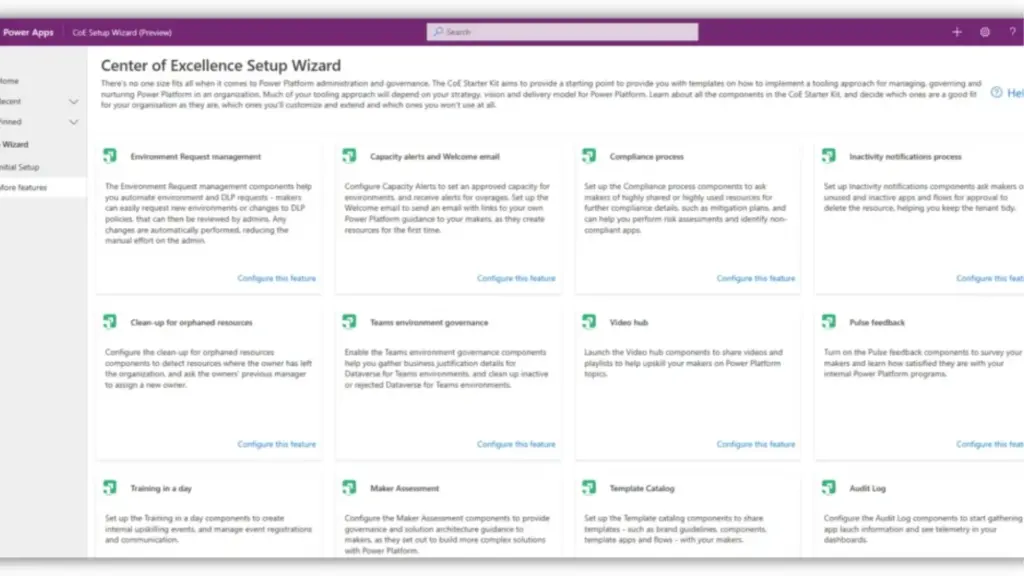
5. Get Started with a Center of Excellence Starter Kit
Microsoft provides a free, downloadable starter kit that includes pre-built components and templates to help you establish your CoE. This kit offers:
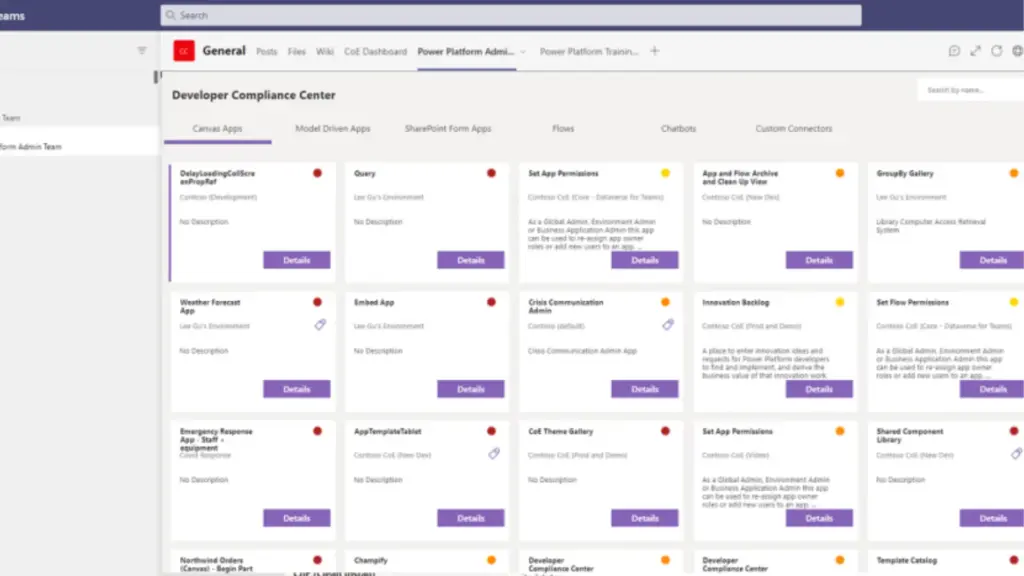
- Core Components: Apps and flows for managing the CoE’s own operations, such as inventory management, playbook creation, and governance dashboards.
- Templates: Ready-to-use solutions for common scenarios.
- Best Practices: Guidance and documentation to help you implement and manage your CoE effectively.
Leveraging the starter kit can significantly accelerate your CoE setup and adoption process.
6. Foster a Community of Practice
A CoE shouldn’t operate in a silo. Actively build and nurture a community of Power Platform users, champions, and makers within your organisation. This can be achieved through:
- Regular communication channels: Yammer groups, Teams channels.
- Training and workshops: Empowering users with the skills they need.
- Showcase events: Highlighting successful Power Platform solutions.
- Champion programs: Identifying and supporting internal advocates.
A thriving community ensures knowledge sharing and drives broader adoption.
The Multifaceted Benefits of a Power Platform CoE
Implementing a Power Platform CoE yields a wide range of benefits that improve efficiency, innovation, and overall business performance.
1. Accelerated Digital Transformation
By providing a clear roadmap, resources, and governance, a CoE empowers business users to quickly develop solutions that address their specific needs. This accelerates the pace of digital transformation, allowing organisations to adapt to market changes more effectively. Automation and digital solutions are key drivers of modern business success.
2. Enhanced Governance and Security
This is perhaps the most significant benefit. A CoE establishes and enforces critical governance policies, including DLP, environment management, and security protocols. This mitigates risks associated with shadow IT, data breaches, and compliance violations. Organisations can feel confident that their Power Platform usage is secure and aligned with regulatory requirements. Robust cybersecurity frameworks are essential for protecting digital assets.
3. Increased Innovation and Efficiency
With a CoE in place, employees are empowered to identify and build solutions for their own challenges. This fosters a culture of innovation and can lead to significant efficiency gains. Automating repetitive tasks with Power Automate or creating custom apps with Power Apps can free up valuable employee time for more strategic work. The benefits of automation are clear; 6 Reasons You Need To Automate Your Business outlines many of them.
4. Reduced IT Backlog and Costs
By enabling citizen developers, a CoE can significantly reduce the burden on IT departments. Business users can build many of their own applications and automations, freeing up IT resources to focus on more complex, enterprise-wide initiatives. This also often leads to lower development costs compared to traditional methods.
5. Improved Data Insights and Decision-Making
Power BI, a core component of the Power Platform, allows for the creation of powerful dashboards and reports. A CoE can guide organisations in leveraging Power BI effectively, leading to better data visualisation, deeper insights, and more informed decision-making.
6. Standardisation and Reusability
A CoE promotes the use of best practices, templates, and reusable components. This ensures consistency across solutions, reduces development time, and makes applications easier to maintain and scale.
7. Fostered Collaboration and Knowledge Sharing
By building a community of practice, a CoE encourages collaboration among Power Platform users. Knowledge sharing through forums, training, and internal events leads to a more skilled workforce and faster problem-solving.
Best Practices for a Thriving Power Platform CoE
Establishing a CoE is just the first step. To ensure its continued success and maximise its impact, consider these best practices:
One of the biggest advantages of the CoE Starter Kit is that it’s not fixed. While it comes with pre-built components, it also includes a wide range of underlying tables that you can build on.
This means you’re not limited to the out-of-the-box setup. Teams can extend the starter kit by using these tables to create their own custom CoE elements, whether that’s additional governance processes, reporting layers, or tailored workflows.
By treating the starter kit as a foundation rather than a finished solution, organisations can shape their CoE to fit their specific needs as they grow.
1. Start Small and Iterate
Don’t try to build the perfect CoE from day one. Begin with a clear focus on a few key areas (e.g., governance, basic training), and gradually expand scope and services as your organisation matures.
2. Prioritise Communication
Consistent and clear communication is vital. Keep stakeholders informed about the CoE’s activities, successes, and upcoming initiatives. Use multiple channels to reach different audiences.
3. Measure and Report Value
Regularly track key metrics related to adoption, efficiency gains, cost savings, and risk reduction. Report these findings to leadership and the wider organisation to demonstrate the CoE’s impact and justify its existence. Metrics around application usage, flow runs, and user certifications are valuable.
4. Empower Citizen Developers Responsibly
While empowering citizen developers is a key goal, it must be balanced with robust governance. Provide clear guidelines, training, and access to support to ensure they build secure and effective solutions. Microsoft’s approach to empowering developers, even citizen ones, is a key aspect of its strategy.
5. Stay Updated with Power Platform Advancements
The Power Platform is constantly evolving with new features and updates. The CoE team must dedicate time to staying informed about these changes and adapting its strategies and guidance accordingly. Following official Microsoft documentation and industry news is crucial.
6. Integrate with Existing IT Processes
Ensure the CoE’s processes and governance frameworks align with your organisation’s existing IT policies and procedures. This smooth integration prevents conflicts and promotes broader acceptance.
7. Foster a Culture of Continuous Improvement
Regularly review the CoE’s effectiveness, gather feedback from users and stakeholders, and make adjustments to improve its services and processes. The Power Platform itself is a tool for continuous improvement, and the CoE should embody this principle.
The Future of the Power Platform CoE
As low-code and no-code platforms continue to dominate the application development landscape, the role of the Power Platform CoE will only become more critical. Organisations that invent in a well-structured and strategically managed CoE will be best positioned to:
- Drive significant digital transformation.
- Maintain a secure and compliant technology environment.
- Unlock new levels of business agility and innovation.
- Maximise their return on investment in the Power Platform.
A CoE is not merely an IT function; it’s a strategic business enabler that empowers your organisation to thrive in the digital age. By implementing the setup steps, understanding the benefits, and adhering to best practices, you can build a robust Power Platform CoE that proels your business forward.
Conclusion
In today’s rapidly evolving digital landscape, the strategic adoption of tools like the Power Platform is no longer a luxury but a necessity. A well-implemented Power Platform Centre of Excellence serves as the cornerstone for this adoption, transforming potential chaos into controlled innovation. By establishing clear governance, fostering a vibrant community, and continuously adapting, your CoE can unlock unprecedented levels of efficiency, agility, and digital maturity. It’s an investment that pays dividends by empowering your workforce, securing your data, and ultimately driving significant business value.
Ready to scale Power Platform without losing control?
Get a tailored CoE strategy aligned to your business goals. Book a Free Power Platform Assessment with us.